Chronic Lower Back Pain: How Physiotherapy and Exercise Can Help
Back pain that persists for months will affect the work, sleep, driving, and other activities. It is good to be inactive, but being inactive for a long period of time will result in stiffness, weakness, and lack of self-esteem. Physiotherapy for Back Pain helps create a specialised program for coping with back pain and increased functionality. A personal approach will take into account your movements, strength, activity, and other things that could affect your condition.
At Medphys Rehabilitation, we create an individualised exercise program that will bring you closer to better movement, strength and symptom management.
Why Does Lower Back Pain Become Chronic?
Pain lasting more than three months is regarded as chronic pain. It may occur after sustaining an injury or due to changes in physical activity.
Some of the causes include:
- Weak muscles: Inactive muscles become weak and unable to perform their normal function.
- Stiffness: Spending a long time in one position may cause discomfort when moving.
- Flare-ups: Performing rigorous activities too soon will increase the pain.
- Other factors: Sleep deprivation, stress, and illnesses can contribute to pain.
Chronic pain doesn’t necessarily imply that there’s an injury to the spine. An appropriate lower back pain Physiotherapist assessment will determine what triggers the condition.
How Physiotherapy Supports Recovery
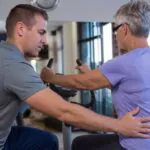
Physiotherapy does not deal in pain reduction alone but in functional improvement. A physiotherapist for back pain can evaluate your movements and symptoms as well as develop an individualised treatment program.
Some treatment modalities include:
- Motion assessment: Motion, strength, and activities that influence symptoms will be assessed.
- Exercise selection: Exercises that improve impairments without increasing pain will be selected.
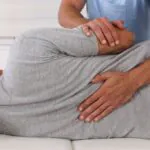
- Manual treatment: It could be done to relieve pain temporarily and facilitate motion.
- Education: This involves learning ways of lifting, activity modification and flare-up management.
This aims at gaining confidence and eventually normalising function.

Exercises That May Help Chronic Lower Back Pain
Exercise at the correct level can improve muscle power, strength and flexibility. Your exercise routine will be based on your condition, health and fitness.
Effective choices could be:
- Lower back mobility exercises: Slow pelvic tilts and knee-to-chest stretches.
- Core strength: Abdominal exercises in modified form for normal movement.
- Walking: Walking in small amounts regularly.
- Hip and glute strength: Bridge exercises with support to enhance strength while standing and walking.
Begin with caution and discontinue in case there is any form of pain caused by the exercise.
A Practical Example: Returning to Everyday Activities
For example, a patient who is having recurrent lower back pain while at work then begins to limit walking and doing housework, which in the end leads to reduced endurance and stiffness.
The customised Lower Back Pain Rehabilitation programme would consist of taking small walks, mobility exercises, strength training and movements. The progression of the rehabilitation can be measured based on the duration of walking, sitting time and ease in performing daily tasks.
Managing Persistent Pain Over the Long Term
Sustainable Recovery developing manageable habits for when the supervision has finished for example sustainable recovery from chronic pain physiotherapy through education, graded activity and exercise.
Some possible solutions include:
- Avoid strenuous activities: Break up your activity into steps.
- Moving position: Sit, stand and walk as much as you can.
- Follow progress in function: Monitor improvement of function, sleep and activities other than pain.
- Adhering to a routine: Gradually engaging in regular, moderate physical activity.
The mentioned techniques will assist in making the chronic pain management program more applicable.
Conclusion: Take the Next Step Towards Better Movement
Having Chronic Lower Back Pain should not mean having to accept unnecessary restrictions. Proper evaluation, exercise and effective self-management techniques can be used to enhance physical ability and increase confidence. At MedPhys Rehabilitation, we offer personalised rehabilitation using movement-based therapy to assist patients in achieving realistic health goals.
FAQs
Q1. How soon will I recover from the pain in my back?
This depends on what causes the pain, how severe it is, and your overall state of health and willingness to do physical therapy. This could take some time.
Q2. Can I exercise despite pain in the lower back?
Exercising is okay, but there are some exercises that should not be done since they can exacerbate the problem. It would be better to consult an expert to know which ones to do.
Q3. Does physiotherapy have any role when my backache recurs frequently?
Yes. Physiotherapy could be very helpful in finding out the causes and devising ways of dealing with them.
Q4. Is absolute rest the best way of curing the chronic pain in the back?
It is advisable not to rest too much since engaging in activities on a regular basis is recommended.
Q5. At what point should I see a doctor urgently?
You should see an urgent specialist when the pain is associated with loss of bladder/bowel control, inability to pass urine and numbness around the groin and saddle regions.
Contact Medphys Rehabilitation Today
If you are experiencing back pain that is interfering with your ability to work or move around effectively, please call Medphys Rehabilitation at 0422 785 958 to talk about your rehabilitation requirements. We have programs that will allow you to know what options are available to you.
Recent Posts