Physiotherapy for Stroke Rehabilitation: Step-by-Step Recovery
A stroke can alter your life instantly, not just physically, but also emotionally for patients and their families. Simple movements become difficult and the path to recovery may seem unsure.
But with the right guidance and structured care, recovery is absolutely possible.
Physiotherapy is one of the most effective ways to regain mobility, rebuild strength, and restore independence. If you’re looking for a trusted Physiotherapist Concord, understanding the right rehabilitation process is the first step toward long-term recovery.
Why Physiotherapy is Critical after a Stroke
After a stroke, the brain’s communication with muscles is disrupted. Without proper rehabilitation:
- Muscles weaken and stiffen
- Balance and coordination decline
- Daily activities become challenging
With expert care through Burwood Physiotherapy, patients follow a structured, evidence-based approach designed to retrain movement and improve overall function.
Research shows that early and consistent physiotherapy significantly improves recovery outcomes.
Many stroke patients feel frustrated in the early stages—but with the right support, even small improvements can lead to major progress over time.
Step-by-Step Stroke Recovery through Physiotherapy
Initial Assessment & Personalised Plan
Every recovery journey begins with a detailed clinical assessment.
A qualified Physio Croydon professional will:
- Assess mobility, strength, and neurological function
- Identify affected muscle groups
- Develop a personalised, goal-oriented rehabilitation plan
This ensures targeted treatment based on your condition—not a generic approach.
Early Mobilisation (First Phase of Recovery)
The first few weeks are crucial.
This stage focuses on:
- Gentle assisted movements
- Preventing stiffness and joint complications
- Improving blood circulation
- Clinics offering Rozelle Physiotherapy prioritise early mobilisation to reduce long-term disability.
Even minimal movement during this stage can accelerate recovery significantly.
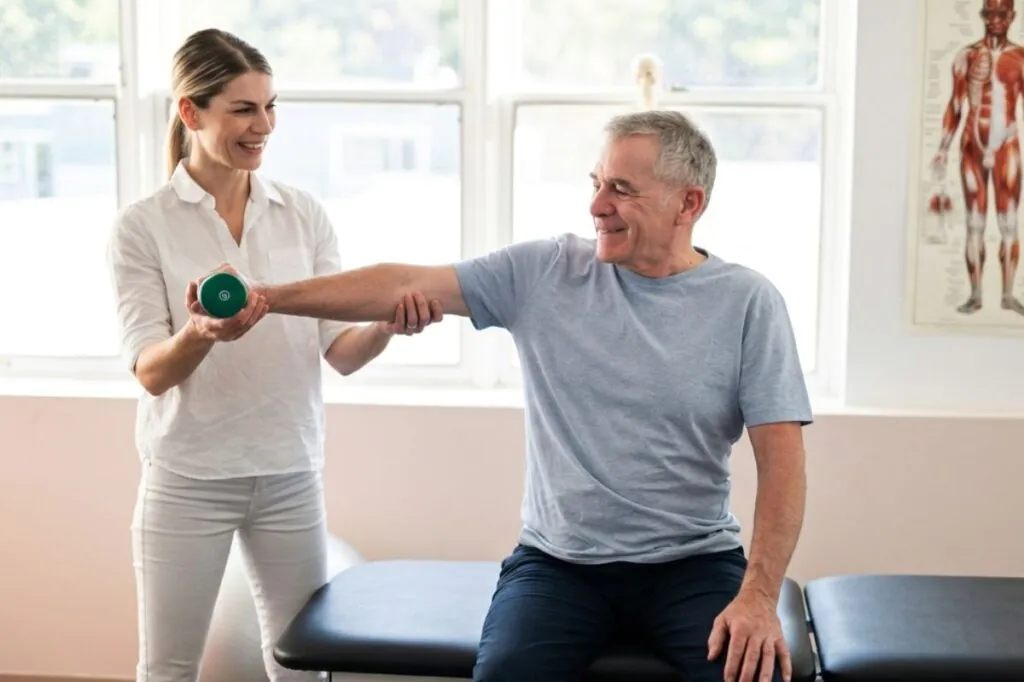
Strength & Motor Skill Rehabilitation
As recovery progresses, therapy becomes more active.
This includes:
- Strength-building exercises
- Repetitive motor training
- Functional movements like sitting, standing, and walking
The goal is to retrain the brain through neuroplasticity, helping it form new pathways for movement.
Balance & Coordination Training
Loss of balance is one of the biggest challenges after a stroke.
With guidance from an experienced Physiotherapist Concord, patients work on:
- Postural control
- Walking patterns
- Coordination and stability
Functional Independence Training
This is where recovery becomes meaningful in daily life.
Patients are guided to:
- Perform everyday tasks independently
- Improve mobility in real-life situations
- Regain confidence at home and outdoor
- Ongoing Rehabilitation & Long-Term Progress
- Stroke recovery is not a short-term process—it requires consistency.
- With structured programs from Burwood Physiotherapy, patients can:
- Consistency and expert guidance are the key drivers of long-term success.
Why Choosing the Right Physiotherapist Matters
- Not all rehabilitation programs deliver the same results.
- Choosing the right clinic can directly impact how fast and how well you recover.
When selecting a provider, look for:
- Proven experience in stroke rehabilitation
- Personalised, patient-focused care
- Clear progress tracking and measurable outcomes
A team that supports both physical and emotional recovery
When Should You Start Physiotherapy?
In most cases, physiotherapy can begin within 24–48 hours after a stroke, depending on medical stability.
The earlier rehabilitation begins, the better the long-term results. Delays can slow down recovery significantly.
FAQs:
1. How long will the recovery from stroke require?
The recovery process for each patient is different. Some patients experience improvement in just a few weeks, whereas others require several months of constant physical therapy
2. Can physiotherapy fully restore movement after a stroke?
While full recovery depends on the severity of the stroke, physiotherapy can significantly improve mobility, strength, and independence.
3. How often should physiotherapy sessions be done?
Most patients start with 2–5 sessions per week, gradually reducing frequency as they improve.
4. Is physiotherapy safe for elderly stroke patients?
Yes, physiotherapy is tailored to each patient’s condition and is safe for all age groups.
5. What kind of results can I expect?
With consistent effort and professional guidance, most patients experience improved movement, balance, coordination, and overall confidence.
Take the First Step Towards Recovery
Recovery from stroke requires assistance, structured treatment, and experienced direction.
If you’re in search of an experienced Physiotherapist Concord who is aware of the intricacies of rehabilitation for stroke Now is the best moment to act.
Call 0422 785 958 today to book your personalised consultation and start your recovery journey with confidence.
Final Thoughts
Recovering from a stroke is not just about movement and it’s about rebuilding independence, confidence, and quality of life.
With the right support from experienced professionals in Burwood Physiotherapy, Physio Croydon, and Rozelle Physiotherapy, patients can achieve meaningful recovery and regain control over their lives and step by step.
Recent Posts