Why Does My Back Hurt? Understanding Lower Back Pain and What You Can Do About It
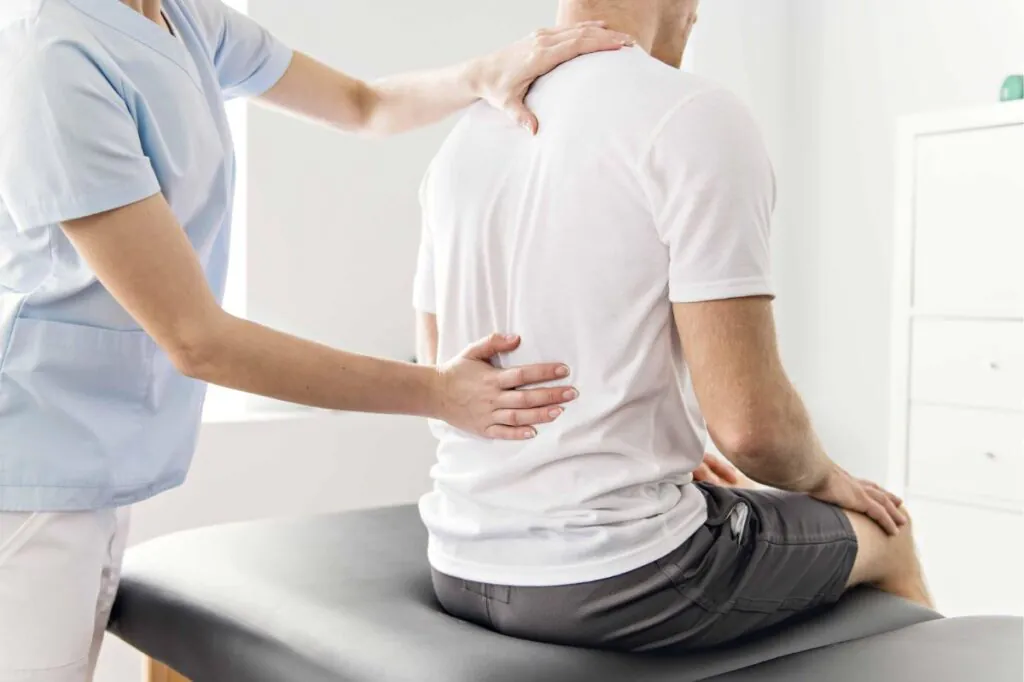
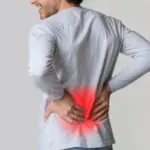
Lower back pain is one of the most common reasons people around Concord West and the Inner West seek help.
You might wake up stiff in the morning, feel pain after sitting at work, or notice your back aches when bending, lifting, or standing for too long. For some, the pain comes on suddenly. For others, it slowly builds over time.
The question we hear most often is simple: “Why does my back hurt?”
The reassuring answer is that in most cases, lower back pain is not dangerous, and it can usually be managed effectively without surgery.
At local clinics like MedPhys Rehabilitation in Concord West, we help people from surrounding suburbs every day to understand their pain, move better, and return to normal life with confidence.
Common Reasons Your Lower Back Hurts
Lower back pain rarely has a single cause. It’s usually a combination of physical, lifestyle, and movement-related factors.
Common contributors include:
- Muscle or ligament strain
- Disc bulges or age-related disc changes
- Joint stiffness or irritation
- Long periods of sitting (desk work, driving)
- Weak core, hip, or glute muscles
- Reduced daily movement
- Stress, fatigue, or poor sleep
- Fear of movement leading to stiffness and deconditioning
Importantly, pain does not always mean damage. Many people living in suburbs like Concord, Mortlake, and Breakfast Point have disc changes on scans with no pain at all.
Why Scans Don’t Always Explain Back Pain
X-rays and MRIs often show terms like “degeneration,” “disc bulge,” or “arthritis.” While these can sound worrying, they are very common findings, especially as we age.
Lower back pain is influenced more by:
- Strength and endurance of the muscles supporting your spine
- How you move during everyday tasks
- How much load your back can tolerate
- Stress and recovery
- Previous flare-ups and fear of reinjury
This is why focusing only on imaging often doesn’t solve the problem.
How Exercise Physiology Helps Lower Back Pain
Exercise physiology is not about pushing through pain or doing generic exercises. It’s a structured, personalised approach designed to help your back tolerate movement again.
At MedPhys Rehabilitation, treatment focuses on:
1. Restoring Strength and Support
Weakness in the core, hips, and glutes increases strain on the lower back. Targeted strengthening helps distribute load more evenly, reducing stress on spinal structures.
Exercises are progressed gradually to avoid flare-ups.
2. Improving Movement Confidence
Many people with back pain move stiffly or cautiously, especially after repeated flare-ups. This can actually keep pain going.
An exercise physiologist helps retrain:
- Bending and lifting
- Sitting and standing
- Walking and everyday transitions
The aim is to help you move normally and confidently again.
3. Building Load Tolerance Safely
Lower back pain often improves when the spine is exposed to appropriate, progressive loading, rather than prolonged rest.
Programs are designed to:
- Reduce flare-ups
- Increase tolerance to daily activities
- Support return to work, gym, or sport
4. Reducing Pain and Stiffness Naturally
Well-chosen exercise improves circulation, reduces stiffness, and calms pain sensitivity over time.
Example 1
James from Concord developed ongoing lower back pain after long hours at his desk job. After starting a personalised program with an Exercise Physiologist near Concord West, he rebuilt his core and hip strength, improved his movement habits, and returned to gym training without fear.
Example 2
Angela from Mortlake experienced recurring lower back pain whenever she lifted groceries or did housework. Through guided exercise physiology sessions at MedPhys Rehabilitation, she improved her lifting technique, strengthened her glutes and core, and now manages daily tasks without flare-ups.
The Role of Physiotherapy in Lower Back Pain Rehab
Physiotherapy works alongside exercise physiology, particularly in the early stages of pain.
Physiotherapy may include:
- Manual therapy to reduce stiffness
- Soft tissue techniques
- Pain management strategies
- Education around flare-ups and pacing
- Home exercise programs
Together, physiotherapy and exercise physiology provide both short-term relief and long-term resilience.
Who Can Benefit From Help With Lower Back Pain?
You may benefit if you:
- Have acute or persistent lower back pain
- Feel stiff after sitting or sleeping
- Experience recurring flare-ups
- Want to avoid injections or surgery
- Are looking for an Exercise Physio in Croydon, Concord West, Mortlake, Breakfast Point, Cabarita, Melrose Park, Ermington, or Wentworth Point
Early support often leads to better, longer-lasting outcomes.
Long-Term Benefits of Managing Lower Back Pain Properly
A conservative, active approach offers many advantages:
- Reduces reliance on pain medication
- Improves strength, posture, and mobility
- Prevents recurring flare-ups
- Supports long-term spine health
- Encourages an active, independent lifestyle
With the right guidance, your back can become stronger and more reliable, not fragile.
FAQs
1. Is lower back pain serious?
Most lower back pain is not serious and responds well to guided exercise.
2. Should I rest my back when it hurts?
Short rest may help initially, but prolonged rest often delays recovery. Movement is usually key.
3. Is exercise safe if my back hurts?
Yes. Exercises are tailored and progressed safely to avoid flare-ups.
4. Do I need a referral?
No referral is required, though a GP referral may help with Medicare or insurance options.
5. Which areas do you service?
We proudly support patients from Concord West and nearby suburbs including Croydon, Mortlake, Breakfast Point, Cabarita, Melrose Park, Ermington, and Wentworth Point.
Take Control of Your Back Pain Today
Lower back pain doesn’t have to control your life. With the right support, you can reduce pain, move with confidence, and get back to the activities you enjoy.
📞 Call 0422 785 958 to book your assessment at MedPhys Rehabilitation in Concord West.
If you’re based in the Inner West or surrounding suburbs, we’re here to help you move better, feel stronger, and live well.
Recent Posts